
Forensic Science Career: Reality vs Bollywood and Web Series
Every time a crime thriller shows a forensic expert solving a murder in minutes, thousands of students quietly begin imagining themselves in that role. A dark laboratory, dramatic evidence reveals, instant DNA matches, criminals exposed in a single breakthrough moment, etc. Bollywood and web series have turned forensic science into one of the most fascinating careers for young viewers. But a different reality hits right after the screen goes off.
A forensic science job depends on actual scientific methods which need their own time to develop through established procedures. No, these experts don;t go around with open hair touching everything with bare hands. Scientific research requires dedicated time for work and precise laboratory operations and record keeping and empirical experiments and extensive technical education. Students who want to study BSc Forensic Science must understand from early stages of their studies that entertainment media depicts an inaccurate version of actual events.
Bollywood And Web Series Influencing People for Forensic Career
The number of people who want to work in forensic fields has increased throughout India during the present time. The popularity of crime-based entertainment content has led students to research BSc Forensic Science jobs, admission processes, salary expectations, and BSc Forensic Science entrance exams.
Students need to examine three elements before selecting their career path because they need to understand the complete requirements of the profession and the educational curriculum and the authentic aspects of the field which exist beyond what movies and web series show.
About BSc Forensic Science Course
A BSc Forensic Science program provides students with undergraduate education that integrates scientific principles into criminal investigation practices. The program teaches students to analyze evidence through scientific methods while learning how laboratory scientific processes assist legal and criminal justice proceedings.
The program generally includes subjects such as:
- Forensic Biology
- Forensic Chemistry
- Toxicology
- DNA Analysis
- Ballistics
- Cyber Forensics
- Crime Scene Investigation
- Fingerprint Analysis
Forensic science works through established methods which require scientists to observe evidence and document their findings with exact details while they follow specific protocols.
Students dedicate their time to laboratory work and practical training and evidence handling activities and research learning sessions. This is one reason why many students who enter the field only because of crime shows later realise that forensic science is more scientific than cinematic.
Bollywood vs Reality: What Forensic Science Actually Looks Like
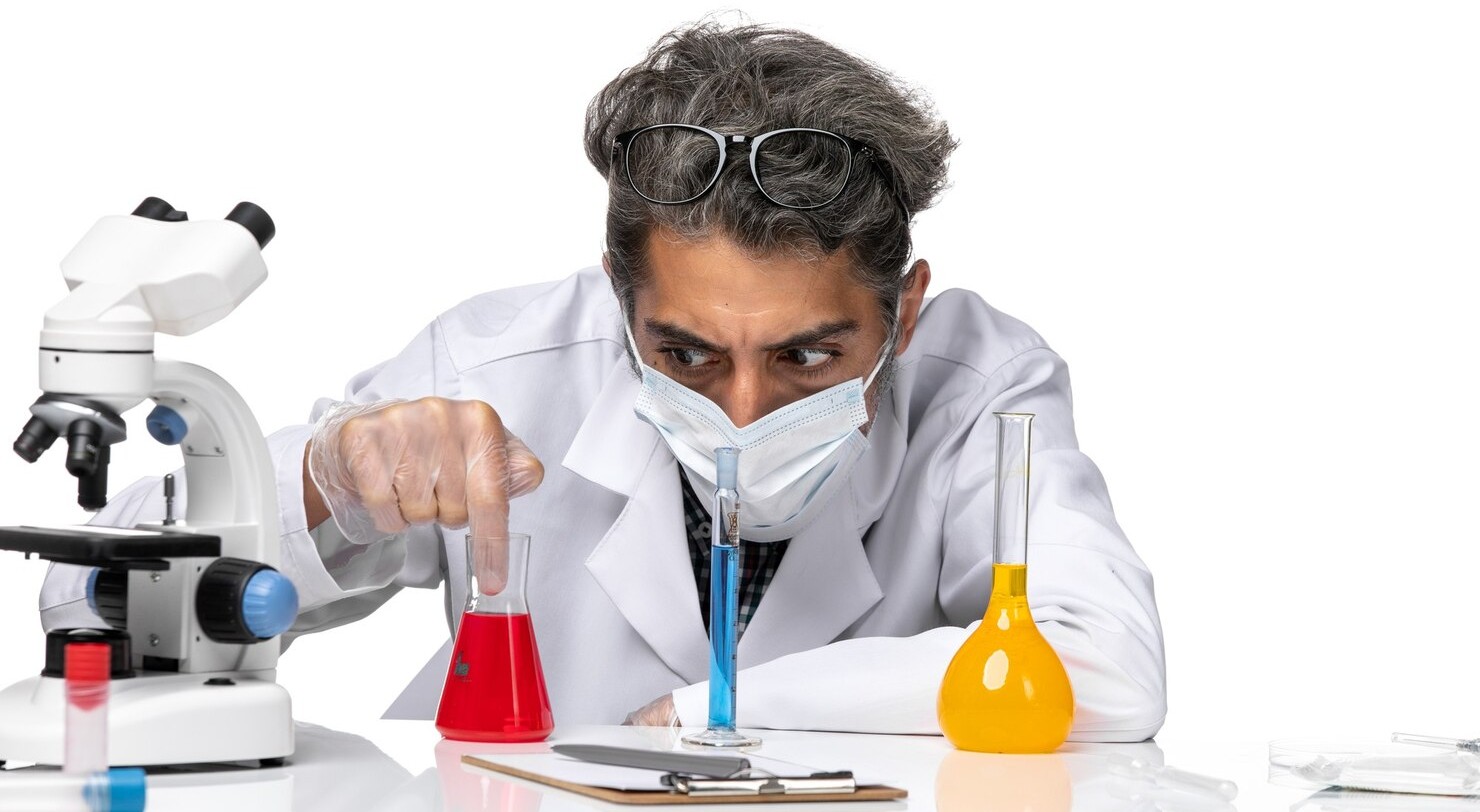
For many students, the image of forensic science is shaped more by films and web series than by real laboratories. While entertainment has helped popularise the field, it has also created several misconceptions about what forensic professionals actually do on a daily basis.
Here is a simple comparison between the reel version and the real profession:
|
Bollywood & Web Series |
Real Forensic Science Career |
|
Crimes are solved within hours |
Investigations can take days, weeks, or even months |
|
One expert handles everything |
Different experts specialise in different areas |
|
Instant DNA and fingerprint results |
Laboratory testing takes time and verification |
|
Constant field action and interrogations |
Large amount of laboratory analysis and documentation |
|
Technology gives immediate answers |
Evidence must follow strict scientific procedure |
|
Investigators work alone |
Real cases involve teams, police, labs, and legal systems |
|
Every case is dramatic |
Many cases involve detailed technical analysis |
|
The work looks glamorous |
The work requires patience, accuracy, and discipline |
This gap between fiction and reality is important for students considering a BSc Forensic Science course. The profession is less about cinematic action and more about scientific precision.
At the same time, many professionals believe the real field is far more meaningful because forensic science directly contributes to evidence-based justice.
What Happens in Real Life?
Forensic specialists in actual work environments dedicate their expertise to particular areas of their profession. Toxicology exists as one specialization which experts develop through their work whereas fingerprint analysis and cyber forensics and DNA examination exist as separate fields of study.
Investigations experience significant delays because every report needs to comply with both scientific and legal requirements. The process depends on three essential elements which include evidence handling and chain of custody and laboratory verification and documentation.
Students who start a BSc Forensic Science program need to understand this difference because they expect continuous fieldwork when the profession requires them to perform laboratory work and technical writing and evidence assessment.
The real profession provides a work experience which movies cannot depict because it delivers two types of satisfaction: scientific work and justice work.
BSc Forensic Science Eligibility Criteria
The most common inquiry that students make is about the BSc Forensic Science eligibility requirements. Different universities have their own specific eligibility requirements but most universities require students to meet these basic standards.
- Completion of Class 12 from a recognised board
- Science stream in higher secondary education
- Physics, Chemistry, and Biology or Mathematics in most institutions
- Minimum qualifying marks as prescribed by the university
Some universities conduct their own admission process which evaluates entrance examination scores.
Students who want to enter this field must develop strong science knowledge through their school education. They should focus on studying biology and chemistry because these subjects provide the necessary background for forensic education.
BSc Forensic Science Entrance Exam Pattern
Forensic science programs at different institutions have distinct admission procedures. Some colleges offer direct admission based on Class 12 performance while others require students to pass a BSc Forensic Science entrance exam like AIFSET (All India Forensic Science Entrance Test).
AIFSET Entrance tests assess students on:
- Biology
- Chemistry
- Physics
- Logical reasoning
- General aptitude
Some universities require students to answer basic analytical reasoning questions because forensic science demands both observational skills and problem-solving abilities.
The common mistake that students who study for entrance examinations make is focusing on memorization. Forensic science education is practical, skill-oriented that considers conceptual comprehension and scientific knowledge as vital components of learning. The field requires professionals to have both precise measurement skills and advanced analytical capabilities.
BSc Forensic Science Jobs: What Career Opportunities Actually Exist?
There is a big misunderstanding that there's one career path in forensic science. In fact, there are several types of BSc Forensic Science Jobs. Graduates can find employment in:
- Forensic Science Laboratories (FSLs)
- Crime Investigation Departments
- Cybercrime Units
- Private Investigation Agencies
- Research Laboratories
- Legal Consultancy Support
- Intelligence Agencies
- Digital Forensics Firms
A few students also go further education and build their expertise in:
- Forensic psychology,
- Cyber forensics,
- Criminology,
- or forensic toxicology.
Forensic science is increasingly moving beyond the traditional crime lab as cybercrime, digital fraud and technology-driven investigations continue to evolve.
Can Anyone Pursue a Forensic Science Career?
If students have an interest in investigation, observation and analytical work, forensic science can be a rewarding career. The field demands 4Ps:
- Patience
- Presence
- Practicality
- Potential
It also means that students need to be familiar with laboratory procedures, documentation, and comfort with technical processes. Bollywood is more dramatic than reality. However, it means so much more to many professionals.
What Students Should Understand Before Choosing This Field
The rise in series, movies and dramas related to crime has undoubtedly raised awareness about forensic careers. This visibility through bollywood is beneficial because it gets students introduced to a field about which they may have never known before. However, students must understand that fictional representations should not be the only reasons for making career choices.
Students need to be aware of:
- the academic intensity
- the scientific aspect of the work
- the long-term career pathway and
- the actual working environment
Career Path That's Thrilling and Scientific
Forensic science is a field of study that is both scientific and legal, and it also plays a role in investigation. The profession is often portrayed in film and web series but the actual field is about precision, evidence and discipline.
If students really want to get into the scientific aspect of investigation, then a BSc Forensic Science degree could be the way for them to head towards a new and evolving profession that is increasingly relevant.
Bollywood may introduce students to the world of crime investigation, but real forensic science is far more than dramatic lab scenes and instant findings. The profession is built on scientific accuracy, patience, research, and responsibility.
For students considering a BSc Forensic Science course, understanding this difference matters. The field is not about cinematic action every day. It is about using science to uncover truth, support justice, and solve problems through evidence.
Those who enter the profession with genuine interest in science, investigation, and analytical thinking often find forensic science far more meaningful than what is shown on screen. So, if you are someone interested in forensic science after watching a bollywood movie, daily soap or any kdrama, connect with us for free career consultation and understand the field thoroughly. Call: 08035018480
FAQS
Is forensic science really like what we see in movies and web series?
No, real life forensic science career and investigation procedure is far more complex than showing in web series and movies.
Do forensic scientists solve crimes on the spot like in CID or web series?
No, forensic scientists are expert professionals who have their ideal procedures to follow, reports to make, and investigate thoroughly, which makes the investigation last for days. This is because finding evidence, analysing blood samples, etc are time consuming processes, and if done in a rush, the consequences might be devastating for the case and related individuals.
Is forensic science a stressful career in real life?
Yes, forensic science can be a stressful career and only strong hearted individuals can pursue it.
What skills are actually required for a forensic science career?
Skills required for a forensic science career are as follows:
- Analytical skills
- Critical thinking
- Adaptability and knowledge
- Attention to detail
- Professional and ethical competencies
- Written and verbal communication
Is forensic science a good career option in India despite the reality?
Yes, forensic science is one of the best career options for individuals seeking an impactful career with good pay and recognition. The field might sound complex, but it is not if you study at a top university and find the right mentor.