MSc Forensic Science Salary in India 2027: Government vs Private Sector
You don't invest two years studying forensic science only to wonder, 'What jobs can I get after my MSc?' Yet, that's exactly where many graduates find themselves.
The positive side is that an MSc Forensic Sciencecan lead to careers beyond government forensic labs. As cybercrime continues to grow, digital evidence is increasingly playing a pivotal role in investigations, and industries are increasingly investing in fraud detection, compliance, and cybersecurity, the need for forensic professionals is increasing in both the public and private sectors.
This article will tell you about the best career options, salary range, skills required and the places where the highest paying jobs after MSc Forensic Science are available in India.
Is a Forensic Science Masters Degree a good career option?
Ten years ago, the majority of students thought that forensic science jobs were only for crime scene investigators and government labs. This is no longer true.
In today's world, scientific evidence is an important factor in criminal investigations, cybersecurity, banking, insurance, healthcare, financial fraud investigations, and corporate compliance. With the increasing incidence of cybercrime and digital fraud, organisations are increasingly looking for individuals who can understand the evidence collection, scientific analysis and forensic investigation.
This change has greatly broadened the opportunities for MSc Forensic Science employment, both in the public and private sectors.
Which Industries Hire MSc Forensic Science Graduates?
The most common misconception is that all forensic science graduates become forensic scientists. In fact, the recruiters today are from many different industries.
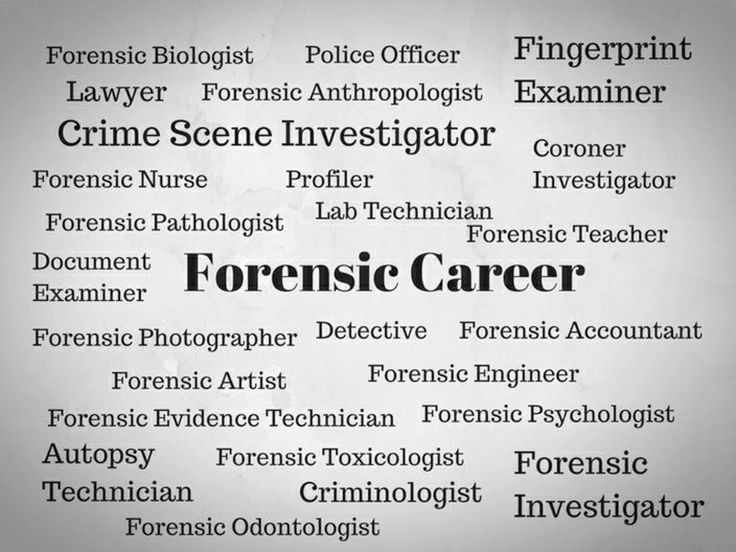
Graduates work for both government and private forensic laboratories, cybercrime investigation units, police departments, digital forensic companies, banks, insurance companies, biotechnology companies, pharmaceutical companies, consulting companies, universities and research institutions.
With technology playing a pivotal role in investigations, many companies now look for forensic graduates to work with digital evidence, fraud detection and cyber security. As a result, M.Sc. Forensic Science graduates can explore career opportunities across a wide range of industries, beyond traditional forensic laboratories.
High-Paying Jobs After MSc Forensic Science
Forensic Scientist
One of the most popular jobs following an MSc in Forensic Science is becoming a forensic scientist. These experts analyze evidence found at a crime scene, draft scientific reports and help investigating agencies solve crimes.
The salary of freshers is generally from ₹5-8 lakh per annum, while experienced professionals with expertise in specialised laboratories or central agencies can earn ₹12-18 lakh per annum or higher, depending on their skills and experience. This is one of the best forensic scientist jobs in India for students who are interested in the core forensic work.
Digital Forensics Expert
Digital forensics is one of the fastest-growing areas of forensic science and is becoming a lucrative career. Whether it's a cyber attack, ransomware attack, financial fraud or mobile hacking investigation, experts are needed to recover, preserve and analyse digital evidence.
As organisations are spending a lot of money on cybersecurity, the salary of the experienced digital forensic professionals can range from ₹8–20 lakh per year, and the salary of the senior ones is even higher. Students who have both forensic science and digital investigation skills tend to have a quicker career trajectory than students who only have forensic science skills.
Cyber Forensic Analyst
Cyber forensic analysts are experts in the field of hacking, data theft, online fraud and cybercrime. They investigate computers, mobile devices, cloud storage and networks to discover digital evidence.
With cybercrime on the rise in all sectors, the need for these professionals has risen considerably in India and globally. Cyber forensics is one of the highest paying growth areas of private forensic science.
DNA Analyst
DNA analysis is still one of the most specialised areas of forensic science. The professionals in this field use biological evidence to assist in identifying individuals and in criminal investigations.
Forensic laboratories, biotechnology companies and research organisations use DNA analysts. The salary range is typically ₹5 to ₹10 lakh per annum, and can be higher for experienced professionals in specialized laboratories.
Forensic Toxicologist
Blood, tissue and biological samples are analysed by forensic toxicologists to identify alcohol, drugs, poisons and other chemicals. They often use their findings in criminal investigations, accident analysis and medico-legal cases.
Qualified graduates are finding good jobs in the increasing demand for toxicology experts in forensic laboratories, hospitals and pharmaceutical research.
Fraud Investigation Specialist
Today's forensic professionals don't investigate only crime scenes, they also investigate financial fraud. Forensic experts are employed by banks, insurance companies, multinational corporations and consulting firms to detect financial irregularities, investigate suspicious transactions and assist in internal investigations.
With the rise of financial crime, this is one of the fastest growing careers following MSc Forensic Science, especially in the private sector.
Forensic Consultant
The more experienced professionals tend to switch to consulting jobs, providing guidance to law firms, investigative agencies, insurance companies and corporate organisations. Consultants often have several projects to work on, and as a result, they can make a lot more money than they would in a regular job, and build up their skills in niche areas of forensic investigation.
Research Scientist
Research careers are often selected by students who have a passion for innovation after completing their postgraduate education. Research scientists participate in the creation of new forensic techniques, DNA technologies, digital investigation tools and laboratory methodologies. Forensic scientists are frequently hired by universities, government research institutes and biotechnology firms to work on high-level scientific research projects.
Assistant Professor
Another rewarding career after MSc Forensic Science is teaching. As more universities have been establishing forensic science courses, qualified postgraduates are now being hired as faculty members. Students who choose to undertake a PhD can further enhance their academic careers through research and higher education.
Government vs Private Forensic Science Jobs
Many students still believe government jobs offer the only successful career path in forensic science. While government laboratories continue to provide stable employment, private organisations now offer equally attractive, and in some cases, better-paying, opportunities.
| Government Sector | Private Sector |
|---|---|
| State & Central Forensic Labs | Cybersecurity Companies |
| Police Departments | Digital Forensics Firms |
| CBI & Investigation Agencies | Banks & Financial Institutions |
| Government Research Labs | Insurance Companies |
| Intelligence Organisations | Corporate Investigation Firms |
Government positions often provide long-term stability and structured career progression, while private companies usually offer faster promotions, exposure to emerging technologies and higher salary packages for specialised skills.
What is the highest paying Specialisation?
The earnings potential for each forensic science specialisation is not the same. The salaries of fields such as Digital Forensics, Cyber Forensics, Financial Crime Investigation and Forensic Data Analytics are higher today due to the growing demand from technology companies, financial institutions and cybersecurity firms.
Basic areas like DNA analysis, toxicology and ballistics still provide good career prospects, especially in government laboratories and research institutes. Regardless of the specialisation, students who continually improve their technical skills tend to see much greater career advancement.
How Can You Increase Your Salary After MSc Forensic Science?
A postgraduate degree is just the start of your career. Employers are looking for candidates with hands-on lab experience, internships, industry certifications and research exposure. The knowledge of digital forensic software, cyber investigation techniques, data analysis and professional report writing can significantly enhance employability.
What Is the Future Scope of MSc Forensic Science?
The future ofForensic science in India is bright. The government keeps building forensic facilities and cybercrime, digital fraud and financial investigations are generating new job markets for forensic professionals. With the growing reliance on scientific evidence in the court, corporate investigations and cybersecurity, the demand for qualified graduates will continue to rise.
The next few years may provide more opportunities and higher pay for students who don't want to work in a traditional laboratory setting.
What Students Should Know
An MSc Forensic Science can open several career paths, but specific roles may have additional eligibility requirements. Today, digital forensics graduates can find jobs in a variety of industries and pursue different roles, including forensic scientist, DNA analysis, cybercrime investigation, and corporate fraud detection.
Rather than just looking for the highest-paying postions, develop special skills, get hands-on experience, and pursue a career that interests you. Forensic science is constantly changing as technology advances, and those who are continually learning and adapting will be best equipped to find the highest paying jobs and career advancement opportunities.
FAQS
1. Which are the highest-paying jobs after MSc Forensic Science?
Digital forensics, cyber forensics, financial fraud investigation, forensic consulting and specialised forensic science roles can offer strong earning potential.
2. Can MSc Forensic Science graduates join the CBI?
Yes, MSc Forensic Science graduates can pursue relevant CBI opportunities when they meet the eligibility requirements for the specific post or recruitment process.
3. Can I work in the FSL after MSc Forensic Science?
Yes, MSc Forensic Science graduates can apply for relevant positions in Forensic Science Laboratories (FSLs), subject to the eligibility criteria of the recruiting organisation.
4. Which private companies hire forensic science graduates?
Private opportunities are available across digital forensics firms, cybersecurity companies, banks, insurance companies, consulting firms, biotechnology organisations and corporate investigation teams.
5. Is cyber forensics a good career option?
Yes, cyber forensics is a growing career option for forensic science graduates because organisations increasingly need professionals who can investigate cybercrime and analyse digital evidence.