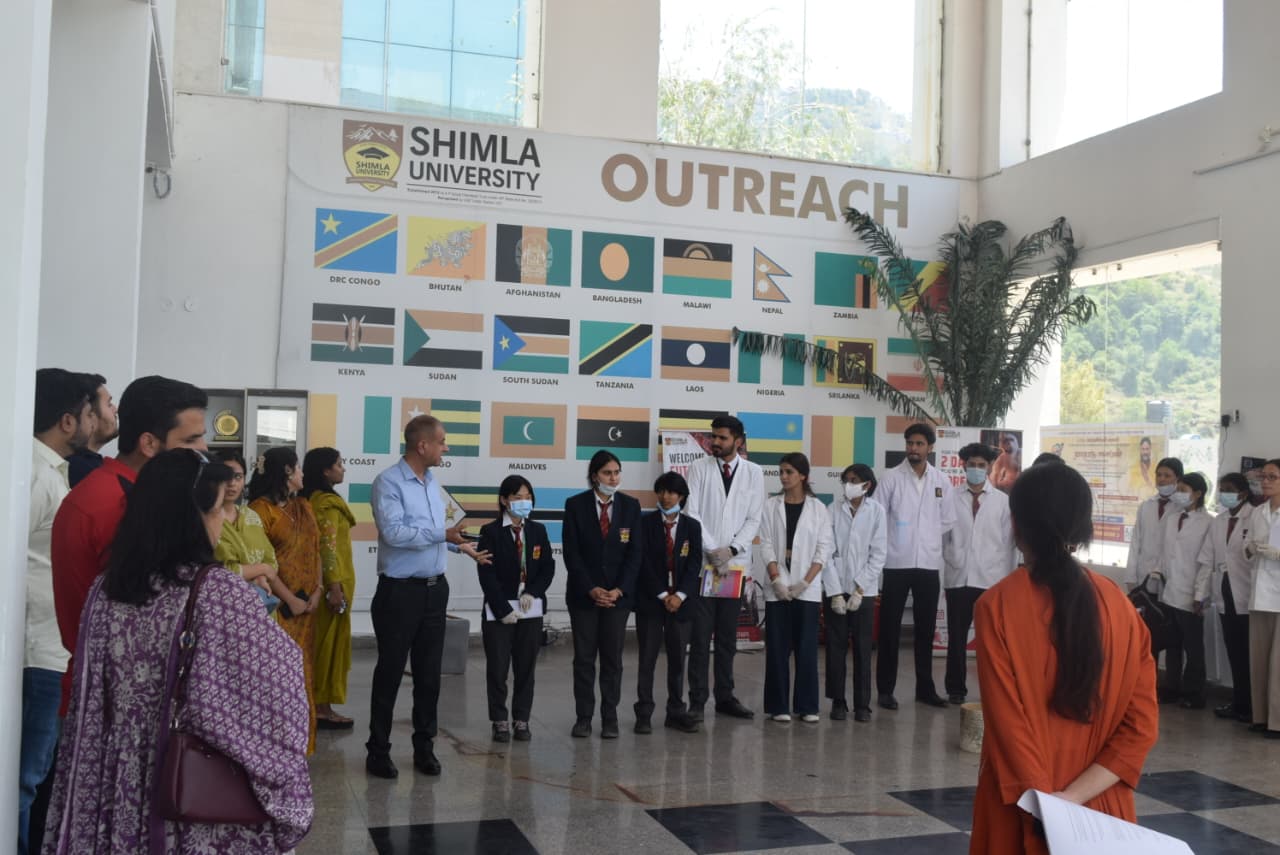
Why Every Forensic Science Aspirant Should Attend an Immersive Experience Program
Forensic science is one of the most intriguing job fields that students can choose today. The profession can be exciting and glamorous, oftentimes in crime scene investigations, forensic labs, DNA analysis, cybercrime investigations, toxicology, and criminal profiling. But many budding forensic scientists don't realize that the actual practice of the field is much more complex, scientific and rigorous than what they see in movies or television.
That's why one of the best choices a student can make before enrolling in a forensic science degree programme is to experience the field at Forensic Science Immersive Experience Programme.
Understanding What Forensic Science
Students often make assumptions about their career choice instead of having personal experience. Although many students are drawn to forensic science due to crime investigation shows, forensic science has much more to offer than just crime solving.
Forensic science demands scientific observation, evidence gathering, lab analysis, critical thinking, attention to detail, and a grasp of biological, chemical, technological and criminal justice concepts.
An immersive experience programme enables pupils to go beyond theory and see how forensic investigations are conducted in practice.
Experience the Profession Before Choosing the Course
Do not make career choices just because of brochures, social media posts, or what you're hearing from others. Forensic science experience programmes provide students with first-hand experience of the profession by engaging them in activities including:
- Crime scene investigation simulations.
- Evidence collection techniques
- Fingerprint analysis
- Forensic laboratory demonstrations
- Expert interactions
- Case study discussions
- Knowing about forensic processes and protocols
This hands-on experience allows students to see if the field is truly a fit for them and their strengths and career goals.
Develop clarity around career opportunities
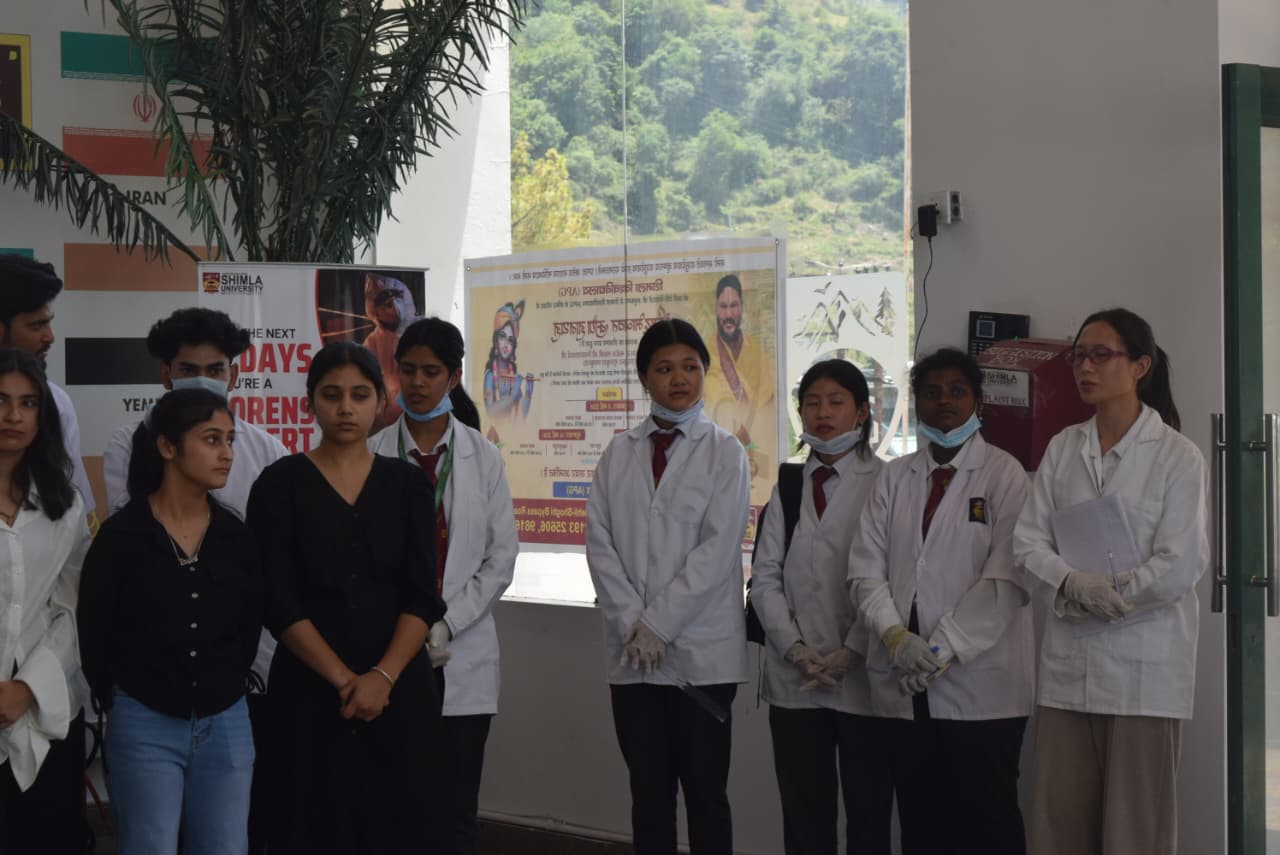
A lot of students think that forensic science only provides a career in crime investigation. In truth, there are several career options in the field in various industries.
These include:
- Forensic laboratories
- Cyber forensic investigations
- Digital forensics
- DNA analysis
- Toxicology
- Ballistics
- Questioned document examination
- Research and development
- Law enforcement support
- Private investigation and consulting.
Before starting on the academic path, an immersive programme introduces students to these career opportunities and helps them to understand the scope of forensic science.
Develop the skills needed to achieve success
Academic knowledge is not enough for forensic science professionals. A successful Forensic Expert has:
- Analytical thinking
- Observation skills
- Scientific reasoning
- Problem-solving abilities
- Attention to detail
- Communication skills
- Ethical judgement
Students start to acquire these skills in immersive learning environments, while they are also learning how they are used in real investigations.
Use authentic learning experiences to help motivate students
It's a good idea to show students how the work they're learning can be applied in the real world. Students will be inspired to achieve their goals with confidence and commitment after watching forensic experts, visiting laboratories, engaging in investigation exercises and learning about the role of evidence in the process of achieving justice.
These programmes make forensic science a meaningful career mission for many of the participants.
Make Informed Decisions About Higher Education
Selecting the right forensic science programme is as crucial as selecting the career. Practical exposure prior to admission can prepare students to assess universities, course structures, specialisations and career options. They start their academic career with realistic expectations and a better knowledge of the profession. This can result in higher engagement, improved achievement and improved job satisfaction.
Making the First Step of a Forensic Science Career
Informed decision making is the first step to becoming a Forensic Science professional. Students will have a first-hand look at the opportunities and responsibilities of the profession by experiencing the field first hand.
Students who are dedicated to a career in forensic science can benefit from being involved in career exposure opportunities and immersive learning activities to help them gain career clarity. It is also crucial to select the appropriate academic stream by following the proper admission procedure like the All India Forensic Science Entrance Test (AIFSET), which is an entrance exam for forensic science courses offered by various universities in India.
What do students need to learn?
A career in forensic science is about much more than crime scenes and investigations. It is a job that is based on science, accuracy, ethics and the quest for truth. Students should try and gain as much first-hand experience in the field before embarking on a degree course.
A Forensic Science Immersive Experience Programme is just that. It is designed to engage future forensic scientists in investigating the profession, learning about what it entails, exploring career options and making informed educational decisions. If you're a student who wants to make a difference in the world through science and justice, the best place to start will be in the laboratory, not the classroom. And if you are a university, the best way to find the right set of aspirants is through our Forensic Science Immersive Experience Programme.
Connect with us for more information @ 08035018480