
The B.Sc. in Criminology or Bachelor of Science in Criminology is an undergraduate degree focused on the scientific and interdisciplinary study of crime, criminal behaviour, victims, and the criminal justice system. The programme combines concepts from criminology, sociology, psychology, law, criminal justice and, depending on the university, forensic science and investigation.
It is designed for students interested in crime analysis, criminal behaviour, investigation, law enforcement, criminal justice, victimology and research. Students can learn how social, psychological and environmental factors influence crime while developing an understanding of crime prevention, investigation and the functioning of the criminal justice system. Current Indian programmes show that the exact course structure can vary, with some B.Sc. programmes focusing specifically on criminology and criminal justice and others combining criminology with forensic science.
| Course Duration | |
|---|---|
| Duration: | 3 Years |
| Semesters: | 6 Semesters |
*A three-year, six-semester structure is followed by several B.Sc. criminology programmes in India, although some institutions may offer a four-year honours pathway under their current academic framework.
To gain admission to a B.Sc. Criminology programme, candidates need to meet the eligibility requirements prescribed by the respective university.
*Eligibility, subject requirements, minimum marks and admission procedures vary across universities, so candidates should check the latest requirements of their preferred institution. Current programmes illustrate this variation, with some accepting 10+2 candidates from any group and others specifying Science subjects.
The B.Sc. Criminology syllabus is generally interdisciplinary and can include subjects related to crime, criminal behaviour, law, investigation, psychology, sociology and criminal justice. Depending on the university, students may study:
*The exact subjects and semester-wise syllabus differ between universities. For example, current university curricula include criminological theory, criminal justice and forensic-related subjects, while some programmes combine criminology and forensic science as an interdisciplinary degree.
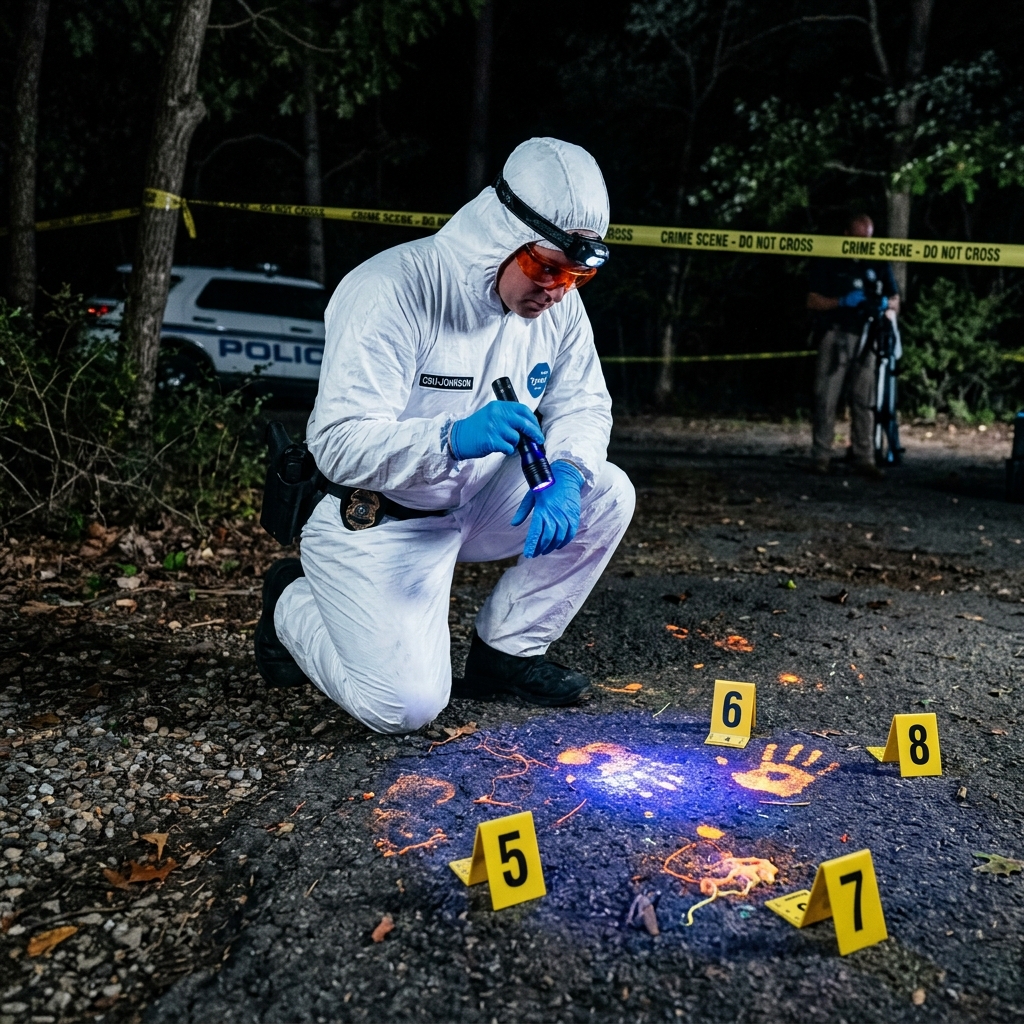
Practical and field-based learning can help students connect criminological theories with real-world criminal justice situations. Depending on the university, students may receive exposure through:
Graduates of the B.Sc. Criminology programme can explore opportunities across criminal justice, investigation, research, law enforcement support, social services and related areas, including:
Career opportunities for criminology graduates may be available across organisations and sectors such as:
*Recruitment depends on the organisation, vacancy and eligibility requirements of individual posts.
| Good Fit For | May Not Be the Right Choice For |
|---|---|
|
|
B.Sc. Criminology can be a suitable choice for students who want to understand crime, criminal behaviour, investigation and the criminal justice system from an interdisciplinary perspective. The programme can help students develop analytical, research and problem-solving skills while introducing them to the social, psychological and legal dimensions of crime.
The degree can provide a foundation for careers and further education in areas such as criminal justice, law enforcement support, crime research, social services, private investigation, security and criminology. Students can also pursue postgraduate study in criminology, criminal justice, forensic science, psychology, sociology or related fields, depending on their academic background and the eligibility criteria of the institution.
However, a B.Sc. Criminology degree does not automatically guarantee a government job or a position in a police or investigation agency. Government recruitment is based on the eligibility criteria, vacancies and selection process of individual posts.
If you want to apply for a B.Sc. Criminology programme:
Fill out the online registration form on the AIFSET website with the necessary academic and personal details.
Sit for the AIFSET exam and pass with the necessary score for admission.
Be involved in the counselling process and choose a participating university or institution from the options available and your eligibility.